You Won’t Believe What I Found Exploring Antananarivo
Antananarivo isn’t just Madagascar’s capital—it’s a pulse of color, rhythm, and unexpected adventure. I went looking for culture and left with stories I never saw coming. From bustling markets to hidden hilltop trails, every corner offered something raw and real. If you think this city is all about history, think again. The true magic? The experiences you don’t plan for but end up remembering forever.
First Impressions: A City That Moves to Its Own Beat
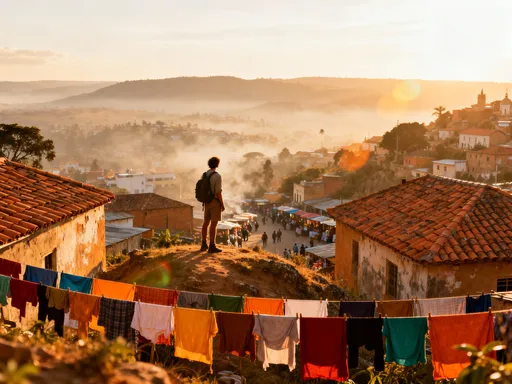
Arriving in Antananarivo, often called 'Tana' by locals, feels like stepping into a living tapestry woven with motion, sound, and scent. The city clings to a series of steep hills, and as your vehicle ascends from the airport, the landscape unfolds in layers—zigzagging roads, tightly packed homes with red-tiled roofs, and laundry strung between balconies like ribbons of celebration. Unlike flat capitals that sprawl outward, Tana climbs upward, each neighborhood perched at a different elevation, creating a vertical rhythm all its own. This topography isn’t just a geographic detail—it shapes daily life, from the physical effort of walking uphill to the pride residents take in their vantage points over the valley below.
The sensory experience begins immediately. As you step out of the car, the air carries a mix of woodsmoke, frying onions, and the faint sweetness of ripe mangoes. Horns blare in irregular bursts—not out of anger, but as a kind of urban punctuation, a way of saying 'I’m here' in a city where visibility is often limited by turns and inclines. Brightly painted minibuses known as 'taxi-brousses' rattle past, their destinations scrawled in looping script on dusty windshields. Children wave from doorways, and vendors balance baskets of avocados or loaves of French-style bread on their heads with effortless grace. There’s chaos, yes, but it’s a productive, purposeful kind of disorder—one that reveals order beneath the surface.
What strikes most visitors is how much life happens outdoors. There are no invisible barriers between private and public spaces. A woman fries samosas on a charcoal stove at the corner, her children doing homework at a nearby table. Men gather under a tree to play draughts, their laughter rising above the traffic. Even the city’s elevation seems symbolic: Antananarivo sits at about 1,280 meters above sea level, making it one of the highest capital cities in Africa. This literal high ground has long been associated with power and perspective—historically, the ruling Merina elite built their palaces on the tallest hills, literally looking down on the rest. Today, that legacy remains in the city’s layered social and physical landscape, where a short walk can take you from a quiet, tree-lined diplomatic quarter to a bustling artisan quarter humming with hammer and chisel.
Walking Through History: The Heartbeat of Rova and Old Town
At the center of Antananarivo’s historical identity is the Rova, the royal palace complex that once stood atop the highest hill, Analamanga. Though much of the original structure was destroyed by fire in 1995, the site remains a powerful symbol of Madagascar’s pre-colonial sovereignty. Today, visitors walk among stone foundations, restored ramparts, and interpretive displays that tell the story of the Merina Kingdom, which unified much of the island in the 19th century. The air here is quieter, reverent. Stone staircases lead upward, worn smooth by centuries of footsteps, and the panoramic view from the top stretches across the entire city—a reminder of how rulers once surveyed their domain.
Just below the Rova lies the old town, a warren of narrow streets where time seems to move differently. Wooden houses from the 1800s line the alleys, their balconies leaning slightly toward one another as if sharing secrets. Many were built during a period of cultural fusion, when Malagasy craftsmanship met European architectural influences. Some facades are adorned with intricate carvings, while others show their age with peeling paint and sagging roofs. But this isn’t decay—it’s continuity. These buildings are still lived in, still part of the city’s daily pulse. A tailor works under a kerosene lamp in one doorway, while a grandmother rocks a baby on a balcony draped with marigolds.
What brings this history to life are the local guides—often descendants of royal servants or scholars—who offer tours that go far beyond dates and dynasties. They speak of Queen Ranavalona I not just as a ruler, but as a protector of Malagasy tradition in the face of foreign pressure. They recount legends of spirits guarding sacred hills and describe how royal ceremonies once echoed through these streets. Their storytelling transforms stone ruins into living memory. For many visitors, especially women in their 30s to 50s who value heritage and intergenerational wisdom, these narratives resonate deeply. They see parallels between the resilience of Malagasy women of the past and their own lives—balancing family, tradition, and change in a fast-moving world.
Market Mayhem: Analakely and the Soul of the City
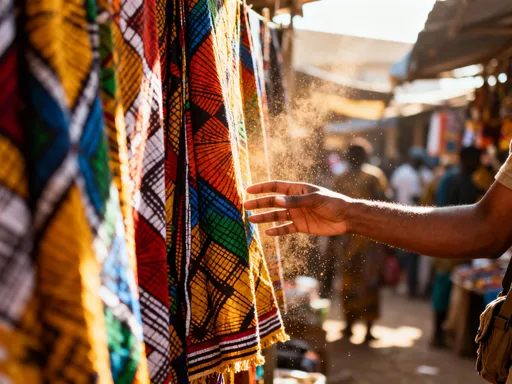
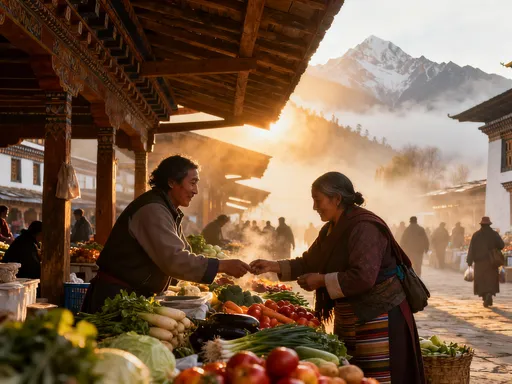
No visit to Antananarivo is complete without a walk through Analakely Market, a sprawling, multi-level bazaar that hums with energy from dawn until dusk. Located in the heart of the city, it’s not just a place to shop—it’s a microcosm of Malagasy life. As you descend the stairs into the market’s lower levels, the temperature drops and the noise rises. Stalls overflow with handwoven lamba cloths in every color imaginable, baskets coiled from river reeds, and spices piled in mounds—bright yellow turmeric, deep red chili powder, and fragrant vanilla beans wrapped in banana leaves. The scent of cumin and garlic lingers in the air, mingling with the earthy aroma of raw coffee beans.
For the discerning traveler, particularly those who appreciate handmade goods and sustainable craftsmanship, Analakely offers something rare: authenticity without performance. Vendors aren’t selling trinkets for tourists—they’re running real businesses, often family-run for generations. A woman might sell only zebu horn carvings, each piece shaped by her husband and polished by her daughter. Another stall specializes in recycled fabric bags, stitched by a cooperative of local women. Bargaining is expected, but it’s not aggressive. A smile, a compliment on the craftsmanship, and a polite offer usually lead to a fair price. The key is to engage with respect—ask where something was made, who made it, and what it’s used for. More than once, such a question has led to an impromptu lesson in weaving techniques or a shared cup of ginger tea.
Analakely is also a living classroom in Malagasy culture. Children run errands for their mothers, carrying change in tin cans. Elders sit on wooden crates, watching the flow of commerce like conductors of an orchestra. It’s here that the phrase 'urban heartbeat' becomes literal. This market isn’t preserved for show—it functions as a vital economic artery, supplying neighborhoods across the city. For women who manage households and value resourcefulness, the market is both inspiring and relatable. Seeing how Malagasy families stretch every franc, repurpose materials, and support one another through informal networks can spark reflection on their own communities back home.
Off-the-Beaten-Path: Hidden Trails with Panoramic Payoffs
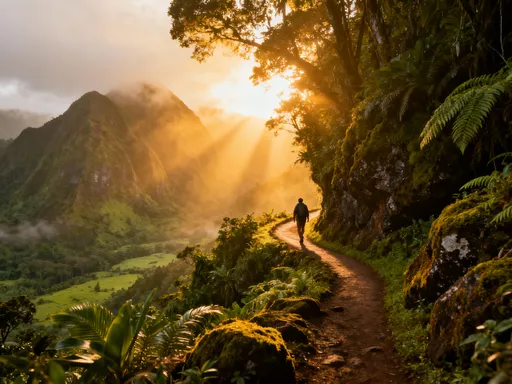
Beyond the city’s well-trodden sites lie quiet trails that offer solitude, natural beauty, and some of the best views in Antananarivo. While Ambohitantely Reserve is a bit farther out and known for its dry forest and endangered bamboo lemurs, closer options include smaller peaks like Montagne d’Ambre or the less-visited trails near Tsarahonenana. These urban hikes are not for extreme adventurers, but for anyone who appreciates a peaceful walk with a rewarding vista. The paths are often simple—dirt trails worn by farmers and schoolchildren—but they climb steadily through patches of eucalyptus and native ferns.
What makes these hikes special isn’t just the view, but the human element along the way. On any given morning, you’ll pass women walking to small hillside plots where they grow onions, carrots, and sweet potatoes. Some carry hoes over their shoulders and babies on their backs, moving with a rhythm born of routine. These aren’t subsistence farmers in the traditional sense—they are city dwellers who maintain small gardens, a practice rooted in rural tradition but adapted to urban life. It’s common for families in Antananarivo to own or rent a small plot outside the city, ensuring fresh produce and a connection to the land. This blend of agriculture and urban living is unique and deeply ingrained in Malagasy identity.
At the top of these hills, the city spreads out like a patchwork quilt—red roofs, green trees, and winding roads all merging into a single, vibrant landscape. On clear days, you can see the distant轮廓 of the Ankaratra mountain range. It’s a moment of stillness in a bustling city, a chance to breathe deeply and take in the scale of what lies below. For women who often juggle multiple roles—mother, partner, caregiver, professional—this kind of quiet perspective can feel like a gift. The hike becomes more than exercise; it’s a form of reflection, a way to reconnect with oneself amid the demands of travel and daily life.
Flavors That Surprise: Beyond Rice and Beans
Malagasy cuisine is often summarized as 'rice with a side,' but that oversimplification misses the depth and variety found in Antananarivo’s food culture. While rice—*vary*—is indeed the staple, served at nearly every meal, the accompaniments—called *laoka*—are where creativity shines. In local *hotelys*, family-run eateries tucked into residential streets, you’ll find dishes simmered for hours: chicken in coconut milk, lentils with garlic and tomato, and slow-cooked beans with smoky bacon. Portions are generous, prices modest, and the atmosphere warm. Many hotelys have just a few tables, often shared with other guests, creating an instant sense of community.
Street food offers another layer of flavor. One of the most beloved treats is *koba akondro*, a sweet cake made from banana puree, rice flour, and honey, wrapped in banana leaf and steamed. It’s sold by women at crosswalks and market exits, often carried in woven baskets balanced on the head. Another favorite is *vary amin’anana*, a comforting porridge of rice and leafy greens, sometimes enriched with a spoonful of peanut butter. For those feeling adventurous, grilled zebu—humped cattle native to the island—is a must-try, often served on wooden skewers with a side of spicy tomato relish. The meat is rich and slightly gamey, a taste of Madagascar’s pastoral traditions.
What stands out most is how food reflects Malagasy resilience. Centuries of trade have left their mark—Indian influence in the use of lentils and spices, French touches in the love of bread and pastries, Chinese elements in stir-fried noodles. Yet the cuisine remains distinctly Malagasy, shaped by resourcefulness and seasonal availability. For women who cook for their families and value nourishment over extravagance, these meals are both inspiring and familiar. They speak of making something delicious from simple ingredients, of feeding loved ones with care and pride. A shared meal in Tana isn’t just about eating—it’s an act of hospitality, a way of saying 'you are welcome here.'
Local Encounters: When Strangers Share Stories
One of the most unexpected joys of visiting Antananarivo is the warmth of its people. Despite language barriers—many speak Malagasy, French, or a mix—there’s an openness that transcends words. A taxi driver might play traditional valiha music on his phone and gesture to the lyrics, trying to explain their meaning. A market vendor might offer you a sample of fresh pineapple and then laugh as you struggle to pronounce 'mangahy' (delicious). These small moments accumulate into something profound: a sense of connection that feels genuine, not transactional.
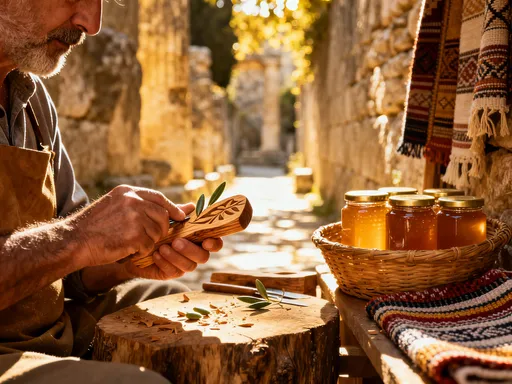
Many travelers are surprised by how often they’re invited into personal spaces. A craftsman may wave you into his workshop to see how he carves wooden birds. A grandmother may beckon you to sit on her porch and share a cup of tea. These gestures aren’t performed for tips or attention—they come from a cultural value known as *fihavanana*, which emphasizes kinship, solidarity, and mutual respect. It’s a philosophy that shapes daily interactions, from how neighbors help each other rebuild a roof to how strangers welcome visitors into their lives.
For women who value emotional authenticity and meaningful relationships, these encounters can be deeply moving. They remind us that hospitality isn’t about grand gestures, but about presence—about offering what you have, even if it’s small. In a world where travel can sometimes feel commodified, these moments stand out as real. They don’t fit neatly into a photo album, but they linger in memory: the sound of laughter in a shared meal, the touch of a hand guiding you down a muddy path, the look in someone’s eyes when they say, without words, 'You are part of this moment now.'
Practical Magic: Getting Around, Staying Safe, and Timing It Right
Navigating Antananarivo doesn’t require fluency in Malagasy, but it does benefit from patience and a sense of adventure. The most common form of public transport is the taxi-brousse, a minibus that follows set routes through the city. They’re inexpensive—usually less than $1 for a cross-town trip—but they don’t have fixed stops. To ride one, you simply wave it down, shout your destination to the driver, and hop in. Seats fill quickly, and it’s not unusual to share a bench with a basket of live chickens or a stack of woven mats. For those who prefer more comfort, private taxis are widely available and can be negotiated by the hour or for specific trips.
The best time to visit Antananarivo is during the dry season, from April to October. During these months, the skies are clear, the air is cooler, and the trails are less muddy. This period also coincides with several cultural events, including the Famadihana festival—though this traditional 'turning of the bones' ceremony is more commonly observed in rural areas and should only be attended with local invitation and deep respect for customs. For a more accessible celebration, consider visiting during June or July, when the city hosts music and craft fairs that showcase Malagasy talent.
In terms of safety, Antananarivo is generally welcoming, but like any capital city, it requires awareness. Pickpocketing can occur in crowded markets, so it’s wise to carry a crossbody bag and keep valuables out of sight. Walking at night is best done in well-lit, populated areas, and solo travelers should arrange trusted transportation in advance. That said, most visitors find the people to be remarkably kind and helpful. If you’re unsure of a route, asking a shopkeeper or hotel staff for advice is usually met with generosity. The key is to move with confidence but humility—to be present without being intrusive, curious without being exploitative.
For women traveling alone or in small groups, Antananarivo offers a rare balance: it’s dynamic enough to feel exciting, yet intimate enough to feel manageable. The pace is not frantic, the people are not distant, and the experiences are not staged. It’s a city that rewards slow travel, that invites you to look beyond the surface and discover the stories beneath.
Antananarivo doesn’t dazzle with polished perfection—it wins you over with authenticity, grit, and surprise. It’s a city where every interaction adds depth and every turn reveals something new. More than a destination, it’s an experience that reshapes expectations. Ready to let it surprise you too?