You Won’t Believe These Secret Viewpoints in Meknes
Stepping into Meknes feels like uncovering a hidden chapter of Morocco’s story—one few travelers fully explore. I was blown away by how much beauty hides in plain sight, from ancient gateways to quiet rooftop terraces with panoramic views. If you're chasing authentic moments and unforgettable photo spots, Meknes delivers beyond expectations. This isn't just another imperial city; it's a visual journey waiting to be captured. While often overlooked in favor of Marrakech or Fes, Meknes offers something rarer: intimacy with history, space to wander, and light that lingers just long enough to leave a lasting impression. For the thoughtful traveler and mindful photographer, this city is a quiet revelation.
Discovering Meknes: More Than Just a Stopover
Meknes, one of Morocco’s four imperial cities, stands in quiet dignity among its more famous counterparts. While Fes dazzles with its labyrinthine medina and Marrakech pulses with energy and commerce, Meknes unfolds at a gentler pace. It is a city where history is not staged for tourists but lived in the rhythm of daily life. Founded in the 11th century and later transformed by Sultan Moulay Ismail in the 17th century into a grand imperial capital, Meknes was intended to be the Versailles of Morocco—a statement of power, order, and architectural ambition. Though time has softened its edges, the city still bears the marks of that vision in its massive walls, monumental gates, and vast open spaces.
Yet despite its historical weight, Meknes often plays second fiddle on travel itineraries. Many visitors pass through on their way to Fes or the Roman ruins of Volubilis, treating Meknes as a brief stop rather than a destination in its own right. This oversight, however, is precisely what makes it so rewarding. The absence of large tourist crowds allows for a more personal experience—one where you can walk through ancient archways without jostling for space, sip mint tea in a quiet square, or pause to admire the play of sunlight on centuries-old stonework. For photographers and contemplative travelers alike, this relative quiet is a gift.
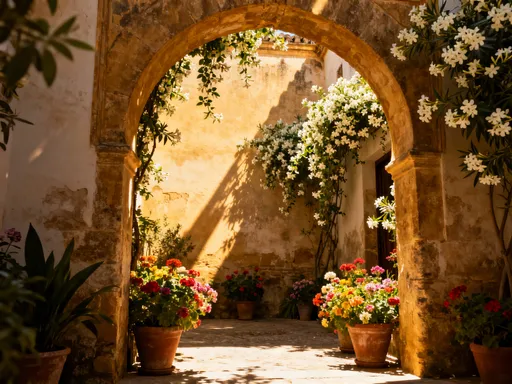
What sets Meknes apart is not just its scale but its unique blend of influences. Under Moulay Ismail, the city became a meeting point of Moroccan craftsmanship and European-inspired planning. Wide avenues, symmetrical layouts, and military precision in design reflect the sultan’s ambitions to create a modern capital. At the same time, traditional Moroccan artistry flourishes in the intricate tilework, carved cedar, and horseshoe arches that define its buildings. This fusion creates a visual richness that rewards close observation. For those seeking authenticity without spectacle, Meknes offers a rare balance of grandeur and humility.
Bab Mansour: Where History Meets Golden Hour Magic
No image of Meknes is more iconic than Bab Mansour, the grandest city gate in Morocco and one of the most impressive in North Africa. Completed in the early 18th century, this monumental entrance was designed to awe visitors and symbolize the might of Moulay Ismail’s reign. Rising over 25 meters high, the gate is a masterpiece of Islamic architecture, adorned with zellige tilework in geometric patterns of white, green, and blue. The surface shimmers in the sun, each tile meticulously placed to form interlocking stars and floral motifs that tell stories without words.
For photographers, Bab Mansour is a study in light, texture, and scale. The best time to capture its full beauty is during golden hour—either just after sunrise or in the late afternoon when the sun slants across the plaza. At these times, the warm light enhances the depth of the tilework and casts long shadows that emphasize the gate’s verticality. The contrast between the cool blues of the tiles and the golden glow on the stone creates a dynamic palette that changes by the minute. Arriving early also means fewer people, allowing for unobstructed shots of the gate in near-solitude.
While the frontal view is breathtaking, exploring different angles reveals new dimensions. Stepping to the sides or capturing reflections in puddles after rain can yield abstract compositions that highlight pattern and symmetry. The vast plaza in front of the gate, known as Place Lahdim, transforms throughout the day—from a quiet expanse in the morning to a lively hub of street vendors and families in the evening. This changing atmosphere offers rich opportunities for street photography, where the gate serves as a majestic backdrop to everyday life. Whether you're using a wide-angle lens to capture the full scale or a telephoto to isolate details, Bab Mansour invites both grand and intimate storytelling.
The Royal Stables & Agdal Basin: Scale, Symmetry, and Sky
Just beyond the medina walls lie the remains of one of Moulay Ismail’s most ambitious projects—the Royal Stables. Designed to house up to 12,000 horses, this vast complex once included vaulted stables, granaries, and water systems that sustained the animals through long sieges. Though much of the original structure has eroded over time, the scale of the site remains awe-inspiring. Rows of towering stone columns stretch across the landscape, their arches framing the sky like the ribs of a forgotten cathedral. For photographers, this site offers a rare combination of architectural grandeur and open space, making it ideal for long-exposure shots, silhouettes, and compositions that play with perspective.
Nearby, the Agdal Basin adds another layer of visual interest. This large rectangular reservoir, also built by Moulay Ismail, was originally used to store water for the palace and stables. Today, it functions as a reflective pool that mirrors the sky and surrounding trees, creating serene compositions especially at dawn or dusk. When the surface is still, the reflection of clouds and light can double the visual impact of a single frame. The symmetry of the basin—its straight edges and calm surface—lends itself to minimalist photography, where simplicity becomes the focus.
For those with permitted drones, the aerial view of the stables and basin together reveals the sultan’s mastery of urban planning. From above, the geometric precision of the layout becomes clear—the alignment of columns, the orientation of the basin, and the relationship between built and open space. Even from the ground, standing at the edge of the basin and looking toward the stables, one can appreciate the intentionality behind the design. The interplay of light and shadow across the columns changes throughout the day, offering new compositions with each passing hour. Early morning visits are particularly rewarding, when mist sometimes hovers over the water and the site is nearly empty, allowing for quiet contemplation and undisturbed shooting.
Rooftop Views in the Medina: Hidden Terraces with a Vista
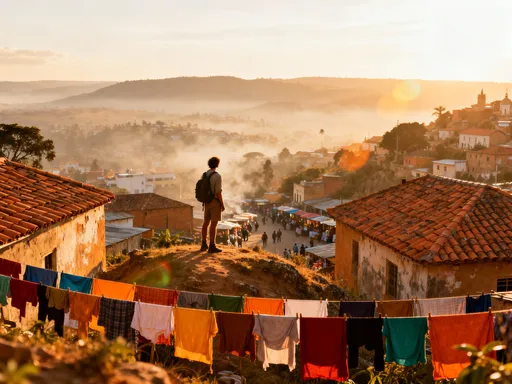
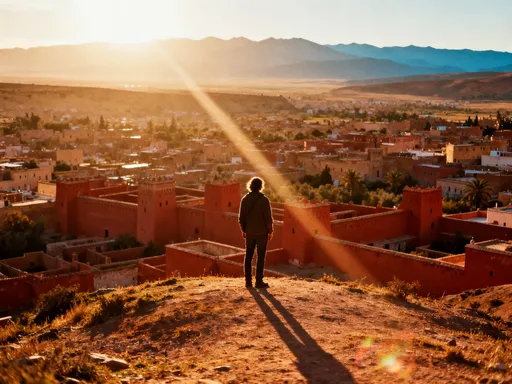
One of Meknes’ best-kept secrets lies above eye level—in the network of rooftop terraces that crown the medina. While the narrow alleys below buzz with activity, the upper levels offer stillness and sweeping views. These terraces, often attached to family homes, guesthouses, or small cafes, provide vantage points where the city unfolds like a living map. From here, you can see the red-tiled roofs cascading down the hills, the minarets of mosques piercing the skyline, and the distant outline of the Middle Atlas Mountains.
Finding access to these rooftops requires a bit of curiosity and courtesy. Some family-run guesthouses welcome guests to enjoy their terraces with a cup of tea, especially in the late afternoon. A few small cafes tucked into corners of the medina also offer rooftop seating, though they are not widely advertised. These spots are not designed for tourism but for daily life—places where families gather, laundry dries in the breeze, and cats nap in the sun. When photographing from these spaces, it’s important to be respectful. Always ask permission before entering private areas, avoid photographing people without consent, and remember that you are a guest in someone’s home.
The most magical moment comes just before sunset, when the call to prayer echoes from multiple mosques across the city. As the sound reverberates through the valley, the light turns golden, bathing the rooftops in a warm glow. This is the time to capture the soul of Meknes—not just its architecture, but its atmosphere. Long exposures can emphasize the fading light, while wide-angle shots can include both the cityscape and the details of the terrace itself: a teacup, a woven mat, a potted plant. These small elements ground the image in reality, reminding viewers that this beauty is lived in, not staged.
Hilltop Perspectives: The Quiet Beauty of Lalla Aroudj and Nearby Belvederes
For those willing to step beyond the city center, elevated viewpoints offer some of the most breathtaking panoramas in Meknes. One such location is near the ruins of Lalla Aroudj, a former palace complex perched on a hill to the north of the medina. Though the site itself is largely in ruins, the surrounding area provides open access to sweeping views. From this vantage point, the full extent of Meknes becomes visible—the red walls of the old city, the green belts of gardens and orchards, and the rolling hills that lead toward the mountains. On clear days, the snow-capped peaks of the Middle Atlas can be seen in the distance, adding a dramatic backdrop to your photographs.
What makes these hilltop spots special is their solitude. Unlike the more popular viewpoints in cities like Fes or Marrakech, these places are rarely crowded. You might share the space with a local walking their dog, a student reading under a tree, or no one at all. This quiet allows for a deeper connection with the landscape and more thoughtful composition. Early morning is the ideal time to visit, when the air is crisp, the light is soft, and the city is just beginning to wake. The rising sun casts long shadows across the rooftops and illuminates the texture of the stone walls, creating a sense of depth and dimension.
Other lesser-known belvederes can be found along the city’s outskirts, often near small parks or residential streets that climb the hills. These areas are not marked on most tourist maps, but a little exploration can lead to rewarding discoveries. A simple path between houses might open onto a view that feels like a private gift. When photographing from these spots, consider using a polarizing filter to enhance the contrast between sky and land, or a neutral density filter to smooth out moving clouds in long exposures. The key is to move slowly, observe carefully, and let the landscape reveal itself in its own time.
Street-Level Poetry: Capturing Daily Life in Meknes
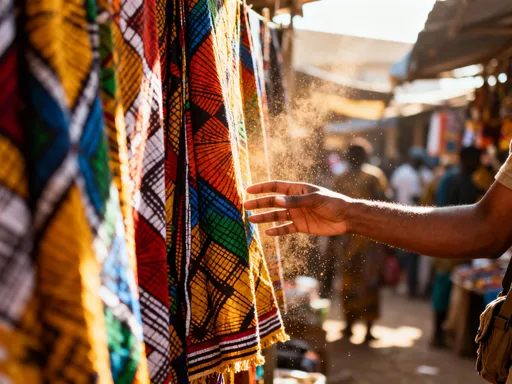
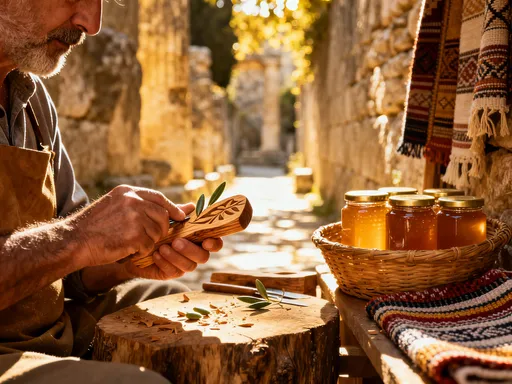
While grand vistas and ancient monuments draw the eye, the heart of Meknes beats in its streets. Here, photography becomes not just about composition but about connection. The souks brim with color and movement—vendors arranging pyramids of spices, cobblers hammering leather, women selecting fabrics for traditional caftans. Children chase each other through alleyways, elders sip tea in shaded corners, and donkeys clip-clop over cobblestones carrying goods. These moments, fleeting and unposed, are where the city’s true character shines.
To capture them ethically and meaningfully, patience is essential. Rather than rushing in with a camera, take time to observe, smile, and acknowledge the people around you. A simple gesture of respect—asking permission with a nod or a quiet “May I take a photo?”—can open doors to more authentic interactions. Often, people will welcome the attention, especially if you show genuine interest. Some may even invite you to share tea or tell you a bit about their work. These small exchanges enrich both the experience and the resulting images, infusing them with warmth and humanity.
From a technical standpoint, street photography in Meknes benefits from a discreet approach. A 35mm or 50mm lens on a mirrorless or compact camera allows for natural framing without intrusion. Shooting in aperture priority mode can help maintain sharpness across the scene, while a higher ISO setting compensates for the dim light in narrow alleys. Focus on storytelling—how a vendor’s hands show years of labor, how sunlight falls on a stack of oranges, how shadows define the geometry of a doorway. These details, when woven together, create a narrative more powerful than any single landmark.
Photography Tips & Responsible Travel in Meknes
Photographing Meknes well requires more than just a good camera—it demands awareness, preparation, and respect. Start with gear: a versatile zoom lens (24-70mm) covers most scenarios, from wide cityscapes to tighter portraits. A tripod is invaluable for low-light shots at dawn or dusk, especially at the Agdal Basin or Bab Mansour. A lightweight backpack keeps your equipment secure while navigating uneven streets. Don’t forget extra batteries and memory cards; the day may unfold in ways you don’t expect.
Timing is everything. Mornings offer the best light and the fewest crowds. By 8 a.m., the golden glow has faded, and midday sun can be harsh and flat. Late afternoon, leading into golden hour, provides a second window of opportunity. Avoid weekends and local holidays if you prefer solitude, as public spaces become busier with families and vendors. Always check local regulations, especially regarding drone use—while some open areas may allow it, flying near historical sites or crowds is often restricted.
Equally important is cultural sensitivity. Dress modestly, especially when entering religious or residential areas. Ask before photographing people, and honor a “no” without argument. Be mindful of private property, and never enter homes or terraces without invitation. Remember that you are a guest in a living city, not a set for photos. The most powerful images often come not from chasing the perfect shot, but from being present—watching, listening, and allowing moments to unfold naturally.
Conclusion
Meknes does not shout for attention. It does not dazzle with neon lights or crowds of influencers. Instead, it whispers—through the rustle of palm trees in the Agdal, the echo of footsteps in an empty archway, the quiet smile of a shopkeeper arranging his wares. It is a city that rewards slowness, curiosity, and a gentle eye. For photographers, it offers not just postcard views but the chance to document a place where history and daily life coexist in harmony.
The secret viewpoints of Meknes are not just physical locations—they are states of mind. They are found in the pause between breaths, in the decision to climb one more hill, in the courage to put the camera down and simply look. When you do press the shutter, you are not just capturing a scene; you are bearing witness to a living heritage, one that continues to evolve with each passing day.
So come to Meknes not to check a box, but to see differently. Let go of the need for perfection. Seek not the most liked photo, but the most honest one. In doing so, you may find that the greatest reward is not what you bring back in your memory card, but what you carry forward in your heart.