You Gotta Try This: Tokyo’s Dining Secrets Uncovered
Tokyo’s food scene is more than just sushi and ramen—it’s a full sensory journey. I’ve wandered its alleys, stood in line for steaming bowls at 8 a.m., and stumbled upon tiny izakayas where locals laugh over skewers. The city blends precision with soul, tradition with wild creativity. Whether you're grabbing a bite at a conveyor belt café or slipping into a six-seat counter restaurant, every meal tells a story. From the hushed reverence of a tempura master at work to the joyful chaos of a standing ramen bar, Tokyo feeds not just the body but the spirit. Here’s how to make your culinary adventure unforgettable—one authentic, thoughtfully prepared dish at a time.
Why Tokyo’s Dining Scene Stands Alone
Tokyo’s reputation as a global food capital is not exaggerated—it is earned through decades of culinary discipline, cultural pride, and an unwavering respect for ingredients. What truly sets the city apart is not just the sheer volume of dining options, but the depth of philosophy behind each meal. In Tokyo, food is not merely sustenance; it is an art form, a daily ritual, and a reflection of seasonal change. Chefs often spend lifetimes mastering a single dish, whether it’s perfecting the crispness of tempura batter or aging tuna to its ideal tenderness. This devotion to craft means that even a simple plate of grilled fish at a neighborhood eatery is prepared with care and intention.
The city’s ability to harmonize high-end gastronomy with accessible street fare is unmatched. Tokyo consistently ranks at the top for the highest number of Michelin-starred restaurants in the world, yet these elite establishments exist side by side with humble noodle stalls and convenience stores offering surprisingly refined meals. A ¥500 bento from a local depachika (department store basement food hall) can rival dishes served in far more expensive settings. This coexistence reflects a cultural understanding that excellence is not reserved for special occasions—it belongs in everyday life. The emphasis on seasonality further deepens the experience; menus shift with the calendar, highlighting spring bamboo shoots, summer eel, autumn mushrooms, and winter root vegetables.
Another defining feature is the city’s reverence for authenticity and specialization. Many restaurants focus on just one dish—perhaps only ramen, or only okonomiyaki—and refine it to perfection. This singular focus allows for a level of expertise rarely seen elsewhere. Diners benefit from this precision, enjoying meals that are consistent, balanced, and deeply satisfying. The result is a dining culture where quality is not an exception but the standard, and where every meal, no matter how modest, feels like an invitation to participate in something meaningful.
How to Navigate Tokyo’s Neighborhood Food Vibes
To truly appreciate Tokyo’s culinary landscape, it helps to explore its neighborhoods, each with its own rhythm and gastronomic identity. The city is vast, but its districts offer distinct flavors that reflect their history, demographics, and local traditions. Understanding these differences allows travelers to tailor their food journey with purpose and curiosity.
Shibuya, known for its youthful energy and fashion-forward crowds, is a hotspot for innovative fusion cuisine. Here, you’ll find trendy cafes serving avocado toast with yuzu zest, ramen shops experimenting with truffle oil, and dessert bars offering matcha tiramisu. While it may not be the place to seek out centuries-old recipes, Shibuya excels in reimagining tradition for a new generation. Its 24-hour convenience stores are also worth a visit—many stock freshly made onigiri, salads, and even hot meals that are both nutritious and delicious.
Just a short train ride away, Shinjuku offers a more layered experience. The east side, particularly around Omoide Yokocho and Golden Gai, is a maze of narrow alleys lined with tiny eateries and standing bars. These spots, often no larger than a closet, serve grilled meats, yakitori, and cold beer to salarymen unwinding after work. The atmosphere is warm and unpretentious, perfect for those seeking an authentic glimpse into Tokyo’s after-hours dining culture. Meanwhile, the west side of Shinjuku is home to upscale restaurants and hotel dining rooms, making it a good choice for refined meals like kaiseki or sukiyaki.
For seafood lovers, Tsukiji Outer Market remains a must-visit destination. Though the famous wholesale fish market relocated to Toyosu in 2018, the outer market retains its lively charm with dozens of small stalls and restaurants. Early mornings are the best time to visit, when the air is filled with the scent of grilling scallops, freshly sliced tuna, and warm tamagoyaki. Vendors proudly display their catch, and many offer samples, making it an ideal place to taste a variety of foods without committing to a full meal.
For a quieter, more traditional experience, neighborhoods like Kagurazaka and Yanaka offer a glimpse into old Tokyo. Kagurazaka, once a geisha district, now blends French bistros with Japanese confectioneries and intimate tea houses. Cobblestone streets and lantern-lit alleys create a romantic atmosphere, especially in the evening. Yanaka, part of the historic Shitamachi area, is home to family-run shops that have served the same recipes for generations. Here, you can enjoy handmade soba noodles, freshly baked dorayaki, or a warm bowl of nikujaga in a setting that feels untouched by time.
Timing Your Meals Like a Local
One of the most overlooked aspects of dining in Tokyo is timing. Knowing when to eat can make the difference between a crowded, rushed experience and a relaxed, enjoyable meal. Locals often follow a predictable rhythm, and aligning your schedule with theirs can open doors to better service, fresher ingredients, and even exclusive menu items.
Breakfast in Tokyo is not always a big affair, but for those who seek it, the morning offers some of the city’s most rewarding food experiences. Kissaten, traditional Japanese coffee shops, open early and serve simple but satisfying meals like toast with butter and egg, grilled fish, and miso soup. These retro-style cafes, often with wooden counters and vintage decor, are frequented by older residents and offer a peaceful start to the day. Some specialty shops, particularly in Tsukiji or near train stations, begin serving sushi or tempura as early as 7 a.m., catering to early risers and market workers.
Lunchtime is prime for enjoying high-quality meals at lower prices. Many upscale restaurants offer affordable lunch sets, known as teishoku or course meals, that include multiple small dishes, rice, soup, and a main protein. These sets are often priced at half or less of the dinner equivalent, making them an excellent value. Popular spots can fill up quickly, so arriving between 11:30 a.m. and 12:15 p.m. increases your chances of getting a table without a long wait.
Dinner hours in Tokyo tend to start earlier than in Western countries. Many locals eat between 6:00 p.m. and 7:30 p.m., especially families and older diners. Arriving during this window means fresher ingredients and more attentive service, as staff are not yet overwhelmed by the evening rush. Conversely, younger crowds and nightlife seekers often dine later, making 8:30 p.m. or even 9:00 p.m. a common time for izakaya hopping. Some small restaurants, particularly those run by a single chef, may close early or stop accepting new customers after 8 p.m., so planning ahead is essential.
For night owls, Tokyo’s late-night food culture is a treasure. From 24-hour ramen bars to yakitori stalls that don’t open until midnight, the city never fully sleeps. These late-night spots are often frequented by chefs, taxi drivers, and theater workers, and they offer a unique social atmosphere. Ordering a few skewers and a beer at a standing counter can turn into an impromptu conversation with locals, adding a personal touch to your journey.
Smart Ordering: Beyond Sushi and Ramen
While sushi and ramen are iconic, Tokyo’s culinary repertoire extends far beyond these staples. Exploring other traditional dishes can lead to some of the most memorable meals of your trip. Tonkatsu, a breaded and deep-fried pork cutlet served with shredded cabbage and a rich sauce, is a beloved comfort food found in dedicated restaurants across the city. Unagi, or grilled freshwater eel, is another delicacy, especially popular in summer for its energy-boosting properties. Served over rice in a lacquered box, its sweet-savory glaze is unforgettable.
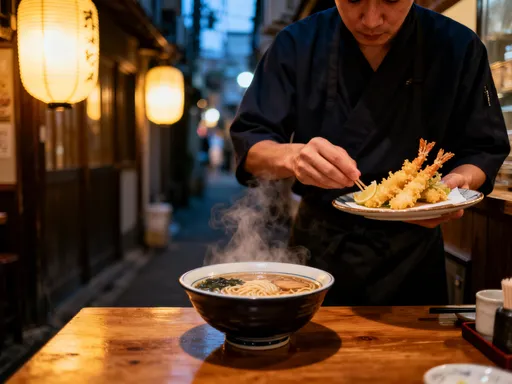
Tempura, often misunderstood as merely fried food, reaches its highest form in Tokyo. At a quality tempura restaurant, the batter is light, crisp, and never greasy, allowing the natural flavor of seafood and vegetables to shine. Chefs fry items to order at the counter, and the experience is as much about watching the preparation as it is about eating. Similarly, soba and udon noodles offer variety—served cold with dipping sauce or hot in a savory broth, each style suited to different seasons and moods.
For those interested in regional specialties, Tokyo is a gateway to Japan’s diverse food culture. Dishes from Hokkaido, Kyushu, and Osaka can all be found in dedicated restaurants or food halls. Try Hokkaido’s creamy soup curry, Okinawa’s goya champuru, or Osaka’s takoyaki—each offers a taste of a different part of the country without leaving the city.
Ordering in Tokyo can feel daunting, especially if you don’t read Japanese, but several tools can help. Many restaurants, particularly in tourist-friendly areas, offer picture menus or English options. Translation apps with camera functions can decode handwritten menus with surprising accuracy. For set meals, look for terms like “omakase” (chef’s choice) or “teishoku” (set meal), which simplify decision-making. Even convenience stores, such as 7-Eleven, FamilyMart, and Lawson, offer detailed ingredient labels and reheating instructions, making them a reliable option for quick, tasty meals.
Finding Hidden Gems Without a Guidebook
Some of Tokyo’s best meals happen by accident—when you follow the scent of grilled meat down a side street or notice a line of locals waiting outside a tiny shop. These unmarked, often nameless restaurants are the soul of the city’s food culture. They may not appear on maps or review sites, but they thrive on word-of-mouth and daily regulars.
One reliable way to find authentic spots is to follow the salarymen. After work, clusters of office workers heading in the same direction often lead to a trusted izakaya or ramen bar. These places prioritize flavor and value over ambiance, and the energy is usually warm and inclusive. Another clue is a vending machine outside the entrance—common at ramen and udon shops. These machines let you purchase a ticket for your meal, which you then hand to the staff inside. This system streamlines service and is a hallmark of no-frills, high-turnover establishments.
Handwritten signs in Japanese, especially those with daily specials listed in chalk or marker, are another indicator of authenticity. These shops often source ingredients fresh each morning and adjust their menu accordingly. While the language barrier may seem intimidating, a simple point-and-smile approach is usually enough to place an order. Many staff appreciate the effort, even if your Japanese is limited.
Exploring residential neighborhoods on foot can also yield surprises. Away from the main tourist paths, small family-run shops serve generational recipes with quiet pride. A modest storefront with a few stools inside might offer the best tamagoyaki or miso soup you’ve ever tasted. These moments of discovery are what make Tokyo’s food scene so rewarding—it’s not just about the meal, but the journey to find it.
Dining Etiquette That Makes a Difference
Understanding basic dining etiquette in Tokyo can transform your experience from awkward to seamless. While most restaurant staff are patient with tourists, showing respect through small gestures fosters goodwill and enhances your connection to the culture.
One of the first things you’ll notice is that tipping is not practiced in Japan. In fact, it can be seen as rude, as service is considered part of the job and already included in the price. Instead, expressing gratitude through words is more meaningful. Saying “itadakimasu” before eating and “gochisousama deshita” after finishing your meal shows appreciation for the food and those who prepared it. Even if said quietly, these phrases are recognized and appreciated.
Chopstick etiquette is another area where small actions matter. Never leave your chopsticks upright in a bowl of rice, as this resembles a funeral ritual. Also, avoid passing food directly from your chopsticks to someone else’s, for the same reason. Instead, place shared dishes on a serving plate and use the opposite end of your chopsticks or provided serving utensils. Slurping noodles, on the other hand, is not only acceptable but encouraged—it signals enjoyment and helps cool down hot soba or ramen.
When drinking alcohol, especially in an izakaya, it’s polite to pour drinks for others rather than yourself. If someone offers to pour for you, hold your glass with both hands as a sign of thanks. Waiting for everyone to say “kanpai” before drinking is also customary. These small rituals create a sense of community and shared experience, turning a meal into more than just eating.
Putting It All Together: Your Ideal Tokyo Food Day
Imagine starting your day in Tokyo with a visit to a quiet kissaten in Yanaka. The air is crisp, the coffee rich and slow-brewed, served in a thick ceramic cup. A plate of buttered toast and a soft-boiled egg sits beside it—simple, comforting, and perfectly prepared. As the morning unfolds, you head to the Tsukiji Outer Market, where the energy is already buzzing. You sample a grilled oyster from one stall, a piece of nigiri from another, and a warm taiyaki filled with red bean paste for dessert.
By midday, you’re in Ginza, where a small tempura restaurant with only eight counter seats offers a lunch omakase. The chef works with quiet focus, frying shrimp, shiso leaf, and sweet potato one by one. Each piece arrives hot and crisp, served with a delicate dipping salt. Afterward, a short walk leads to a traditional tea house in the Imperial Palace gardens, where you sip matcha and nibble on a delicate wagashi confection shaped like a maple leaf.
The late afternoon is reserved for exploration—perhaps a stroll through Kagurazaka, where you stop at a family-run soba shop for cold noodles with a dipping sauce. As evening approaches, you join a small group for an izakaya crawl in Shinjuku’s Omoide Yokocho. Skewers of chicken meatballs, grilled liver, and salted vegetables arrive one by one, paired with cold beer and warm conversation. The final stop is a tiny kaiseki restaurant in a quiet residential area, where a nine-course meal unfolds like a seasonal poem—each dish a reflection of autumn’s colors and flavors.
This kind of day is not about eating constantly, but about savoring moments. It’s about pacing yourself, staying curious, and letting food guide your exploration. Tokyo does not demand that you eat everything—it invites you to eat mindfully, respectfully, and with joy.
Tokyo’s food culture is ultimately a lesson in presence. It teaches us to appreciate the care behind a single bowl of rice, the skill in a chef’s hands, and the warmth of shared meals. It reminds us that travel is not just about seeing new places, but about experiencing them through the senses. When you eat in Tokyo, you are not just a visitor—you are a guest in a long-standing tradition of hospitality, craftsmanship, and seasonal awareness. Slow down, say “itadakimasu,” and let each meal become a quiet celebration of where you are, and who you are sharing it with.