What Science Says About Calming Anxiety — And How Real Lifestyle Changes Help
Anxiety isn’t just mental—it shows up in your body, sleep, and daily focus. Many women in their 30s to 50s feel constantly on edge, caught in a loop of worry, fatigue, and restlessness. This isn’t just about being ‘stressed’—it’s a real physiological response that can affect long-term health. The good news is, science now shows that lifestyle changes can retrain the brain and calm the nervous system. This isn’t about quick fixes or miracle cures. It’s about consistent, evidence-based habits—breathing, movement, sleep, and nutrition—that work with your biology. Let’s explore how small, daily shifts can create lasting calm, one step at a time.
Understanding Anxiety: Beyond the "Stress" Label
Anxiety is more than just feeling overwhelmed or worried. It is a complex physiological and psychological response rooted in the body’s survival system. When the brain perceives a threat—real or imagined—it activates the amygdala, a small almond-shaped region often described as the brain’s “smoke alarm.” This triggers a cascade of signals through the autonomic nervous system, releasing stress hormones like cortisol and adrenaline. These chemicals prepare the body for action: heart rate increases, muscles tense, and breathing quickens. In moments of real danger, this response is life-saving. But when it becomes chronic, even in the absence of immediate threats, it can disrupt daily functioning and long-term health.
Chronic anxiety differs from acute stress in both duration and impact. While acute anxiety may last minutes or hours and resolve once the stressor passes, chronic anxiety persists over weeks, months, or even years. This ongoing activation can weaken the immune system, impair digestion, disrupt sleep, and contribute to cardiovascular strain. Research published in the journal *JAMA Psychiatry* has linked prolonged anxiety with increased risk for hypertension, gastrointestinal disorders, and cognitive decline. The key insight from neuroscience is that anxiety is not a character flaw or a sign of weakness—it is a biological process that can be understood, regulated, and reshaped through targeted interventions.
One of the most empowering findings in modern mental health is that anxiety is not a fixed condition. The brain is capable of change through a property known as neuroplasticity. This means that with consistent practice, individuals can retrain their neural pathways to respond more calmly to stressors. While medication can be helpful for some, especially in moderate to severe cases, it is not the only path. Lifestyle-based strategies—such as regulated breathing, physical activity, and improved sleep hygiene—have been shown to reduce anxiety symptoms significantly. These approaches work not by suppressing emotions but by restoring balance to the nervous system, allowing the body and mind to reset.
For many women balancing family, work, and personal responsibilities, anxiety can feel like an unavoidable part of life. But understanding its biological roots transforms it from an abstract burden into a manageable process. Recognizing that anxiety is a signal—not a sentence—opens the door to proactive care. The goal is not to eliminate all stress, which is impossible and even counterproductive, but to build resilience so that the body can recover more quickly after moments of tension. This shift in perspective is the first step toward lasting calm.
The Science of Lifestyle: Why Daily Habits Rewire the Brain
For decades, mental health was viewed primarily through the lens of therapy and medication. Today, science reveals that daily lifestyle choices play a foundational role in shaping brain function and emotional regulation. The concept of neuroplasticity—the brain’s ability to reorganize itself by forming new neural connections—provides the biological basis for this shift. Studies using functional MRI scans have shown that consistent behaviors, such as regular physical activity, structured routines, and mindful breathing, can strengthen regions of the brain involved in emotional control, such as the prefrontal cortex, while reducing hyperactivity in the amygdala.
One of the most influential systems affected by lifestyle is the circadian rhythm—the body’s internal 24-hour clock that regulates sleep, hormone release, and metabolism. Disruptions to this rhythm, such as irregular sleep patterns or excessive screen time at night, have been linked to increased anxiety symptoms. A study in *The Lancet Psychiatry* found that individuals with irregular sleep schedules were more likely to report anxiety and low mood. Conversely, maintaining a consistent wake-up time—even on weekends—helps stabilize mood and improve emotional resilience. Light exposure plays a critical role here: morning sunlight helps synchronize the circadian clock, boosting daytime alertness and supporting deeper sleep at night.
The gut-brain axis is another key player in mental well-being. The gut houses trillions of microbes that communicate with the brain via the vagus nerve and through the production of neurotransmitters like serotonin and GABA. Up to 90% of the body’s serotonin, a chemical crucial for mood stability, is produced in the gut. Diets high in processed foods and sugar can disrupt microbial balance, leading to inflammation and increased anxiety. In contrast, a diet rich in fiber, fermented foods, and plant-based nutrients supports a diverse microbiome, which in turn promotes emotional balance. Clinical trials have demonstrated that probiotic supplementation can reduce anxiety scores in adults, highlighting the profound connection between what we eat and how we feel.
Physical activity is equally transformative. Exercise doesn’t just improve physical health—it alters brain chemistry. Regular movement increases the production of brain-derived neurotrophic factor (BDNF), a protein that supports the growth and survival of neurons. Low levels of BDNF have been associated with anxiety and depression, while higher levels are linked to improved cognitive function and emotional regulation. Importantly, these benefits do not require intense workouts. Moderate activities like walking, gardening, or dancing for 20–30 minutes a day can produce measurable changes in brain function over time. The key is consistency, not intensity.
These findings underscore a powerful truth: mental wellness is not separate from physical wellness. Every choice—what time you wake up, how you move, what you eat—sends signals to your brain about safety, stability, and control. While therapy and medication remain important tools, lifestyle habits are not secondary; they are foundational. When combined, they create a synergistic effect that enhances overall resilience. The science is clear: small, daily actions can lead to significant, lasting changes in how we experience anxiety.
Breath as a Biological Tool: How Controlled Breathing Calms the Nervous System
Breathing is unique among bodily functions—it operates automatically, yet can be consciously controlled. This dual nature makes it a powerful tool for influencing the nervous system. When anxiety strikes, breathing often becomes rapid and shallow, originating from the chest rather than the diaphragm. This pattern signals danger to the brain, reinforcing the stress response. In contrast, slow, deep breathing activates the parasympathetic nervous system—the body’s “rest and digest” mode—through stimulation of the vagus nerve. This nerve runs from the brainstem to the abdomen and plays a central role in regulating heart rate, digestion, and emotional calm.
One of the most studied breathing techniques is coherent breathing, which involves inhaling and exhaling at a rate of about 5.5 seconds each, resulting in roughly six breaths per minute. Research from the *Harvard Medical School* has shown that this rhythm optimizes heart rate variability (HRV), a key marker of nervous system flexibility. Higher HRV is associated with better stress resilience, emotional regulation, and overall cardiovascular health. In clinical settings, patients practicing coherent breathing for 10–20 minutes daily reported significant reductions in anxiety, irritability, and insomnia within weeks. The beauty of this method is its simplicity: it requires no equipment, can be done anywhere, and produces measurable physiological changes.
Diaphragmatic breathing, also known as belly breathing, is another effective technique. To practice, one lies down or sits comfortably, placing one hand on the chest and the other on the abdomen. With each inhale through the nose, the abdomen should rise while the chest remains still. Exhalation is slow and complete, often through pursed lips. This method increases oxygen exchange, reduces blood pressure, and lowers cortisol levels. A study published in *Frontiers in Psychology* found that women who practiced diaphragmatic breathing for 20 minutes a day over eight weeks experienced reduced anxiety and improved attention span. These benefits were observed even in individuals with no prior experience in mindfulness or meditation.
Integrating breathwork into daily life does not require long sessions. Even two to three minutes of focused breathing during a break, before a meeting, or at bedtime can shift the body from a state of alertness to one of calm. The key is regular practice. Over time, the nervous system becomes more responsive to these signals, making it easier to self-regulate during moments of stress. For busy women managing households and careers, breathwork offers a quiet, private way to reclaim control. It is not a cure, but a biological reset button—available at any moment, with no side effects.
Movement That Matters: Why Exercise Is More Than Endorphins
While the mood-boosting effects of endorphins are well known, the benefits of exercise for anxiety go far beyond this single mechanism. Physical activity influences multiple biological systems that regulate stress and emotional health. One of the most significant is its impact on neuroinflammation. Chronic low-grade inflammation in the brain has been linked to anxiety and depression. Exercise helps reduce inflammatory markers such as interleukin-6 and C-reactive protein, creating a more favorable environment for neural health. Additionally, movement enhances the activity of GABA (gamma-aminobutyric acid), the brain’s primary inhibitory neurotransmitter, which helps quiet overactive neural circuits associated with worry and fear.
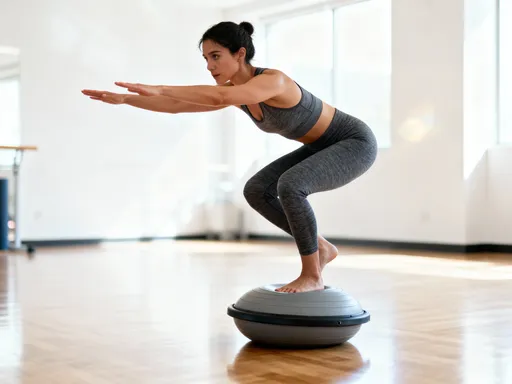
Different types of exercise offer complementary benefits. Moderate aerobic activity, such as brisk walking, cycling, or swimming, has been consistently shown to reduce anxiety symptoms. A meta-analysis in *Sports Medicine* concluded that aerobic exercise produced anxiety-reducing effects comparable to cognitive-behavioral therapy in some populations. Resistance training, including weight lifting or bodyweight exercises, also plays a valuable role. It improves body awareness, builds confidence, and has been linked to reduced rumination—the repetitive, negative thought patterns common in anxiety. The key is not the type of exercise, but consistency. Even 20 minutes of daily movement can lead to meaningful improvements over time.
For many women, the biggest barrier to exercise is not lack of time, but lack of motivation—especially when anxiety saps energy and focus. The solution is not to aim for perfection, but to start small. A short walk around the block, stretching during TV commercials, or dancing with children can all count as movement. The goal is to build a habit, not achieve a fitness milestone. Research shows that habit formation is most successful when the behavior is tied to an existing routine, such as walking after dinner or doing gentle stretches upon waking. Over time, these small actions build momentum, making it easier to increase duration and intensity.
Exercise also provides a sense of agency—a feeling of control that is often lost in anxiety. Completing a walk, finishing a workout, or simply showing up for movement sends a powerful message to the brain: “I am capable.” This psychological benefit is just as important as the physiological changes. When combined with other lifestyle strategies, physical activity becomes part of a larger system of self-care that reinforces emotional stability. It is not about pushing harder, but about moving regularly in ways that feel sustainable and supportive.
Sleep and Anxiety: Breaking the Vicious Cycle
Sleep and anxiety share a bidirectional relationship: poor sleep increases anxiety, and anxiety disrupts sleep. This cycle can be difficult to break, especially for women navigating hormonal changes, caregiving responsibilities, or work-related stress. From a neurological perspective, sleep deprivation heightens amygdala reactivity, making the brain more sensitive to threats. At the same time, it weakens the prefrontal cortex, the region responsible for rational thinking and emotional regulation. This imbalance creates a state of hyperarousal—where the brain is both exhausted and overactive—making it harder to manage daily stressors.
Sleep hygiene, based on circadian science, offers a practical way to restore balance. One of the most effective strategies is maintaining a consistent wake-up time, even on weekends. This regularity strengthens the body’s internal clock, improving both sleep onset and quality. Exposure to natural light in the morning helps signal wakefulness, while reducing bright light—especially blue light from screens—in the evening supports melatonin release. Experts recommend avoiding screens for at least one hour before bed and using dim, warm lighting in the home during the night.
Caffeine and meal timing also play crucial roles. Caffeine has a half-life of up to six hours, meaning that a cup of coffee at 3 p.m. can still affect sleep at 9 p.m. Limiting caffeine intake to the morning hours and avoiding heavy meals within two to three hours of bedtime can significantly improve sleep quality. Additionally, creating a relaxing evening routine—such as reading, taking a warm bath, or practicing gentle yoga—signals to the body that it is time to wind down. Behavioral sleep interventions, such as stimulus control (using the bed only for sleep and intimacy) and sleep restriction (limiting time in bed to actual sleep time), have been shown to improve sleep efficiency in clinical trials.
For women struggling with nighttime anxiety, writing down worries in a journal before bed can help offload racing thoughts. This practice, known as cognitive dumping, reduces mental clutter and creates psychological distance from stressors. Over time, improved sleep leads to better emotional regulation, reduced anxiety, and greater daytime energy. The goal is not perfect sleep every night, but a steady improvement in sleep consistency and quality. Each night of restorative sleep is a step toward greater resilience.
Nutrition’s Hidden Role: Food, Gut Health, and Emotional Stability
The connection between diet and mood is no longer speculative—it is well supported by scientific evidence. The gut, often called the “second brain,” contains over 100 million neurons and produces a majority of the body’s neurotransmitters. The trillions of microbes in the gut—collectively known as the microbiome—play a critical role in regulating inflammation, immune function, and mood. Diets high in processed foods, sugar, and unhealthy fats can disrupt this delicate ecosystem, leading to increased intestinal permeability (“leaky gut”) and systemic inflammation, both of which have been linked to anxiety.
In contrast, a diet rich in whole, plant-based foods supports microbial diversity and reduces inflammation. Key nutrients for emotional stability include omega-3 fatty acids (found in fatty fish, flaxseeds, and walnuts), which have been shown to reduce anxiety symptoms in multiple studies. Fiber, found in fruits, vegetables, legumes, and whole grains, feeds beneficial gut bacteria and promotes the production of short-chain fatty acids, which have anti-inflammatory and neuroprotective effects. Fermented foods like yogurt, kefir, sauerkraut, and kimchi introduce probiotics that enhance gut health and may improve mood regulation.
Blood sugar balance is another critical factor. Rapid spikes and crashes in glucose levels can mimic or worsen anxiety symptoms, leading to shakiness, irritability, and heart palpitations. Eating regular meals with a combination of protein, healthy fats, and complex carbohydrates helps maintain steady energy and prevents these fluctuations. Skipping meals, especially breakfast, can exacerbate anxiety, particularly in women with busy mornings. A simple breakfast of eggs, avocado, and whole grain toast provides sustained fuel and supports mental clarity.
The Mediterranean diet, characterized by high intake of vegetables, fruits, whole grains, fish, olive oil, and nuts, has been extensively studied for its mental health benefits. A large observational study published in *BMC Medicine* found that individuals who closely followed this dietary pattern had a 33% lower risk of developing anxiety disorders. While no single food is a cure, the overall pattern of eating matters. The goal is not restriction or perfection, but nourishment—choosing foods that support both physical and emotional well-being. Over time, these choices can create a calmer, more resilient internal environment.
Putting It All Together: Building a Sustainable, Science-Backed Routine
With so many evidence-based strategies available, the challenge is not knowing what to do, but how to do it without feeling overwhelmed. The most effective approach is to start small and build gradually. Rather than trying to overhaul every habit at once, choose one area—such as breathing, sleep, or daily movement—and focus on it for a few weeks. For example, begin with five minutes of coherent breathing each morning, or commit to a 20-minute walk after dinner. Tracking subtle changes—such as improved sleep quality or reduced morning tension—can provide motivation and reinforce progress.
As one habit becomes routine, layer in another. Pair morning light exposure with a short stretch, or combine a gut-friendly breakfast with a gratitude journal. The goal is integration, not perfection. Life will sometimes disrupt routines, and that is okay. The practice is not about never missing a day, but about returning to the habit with kindness and consistency. Over time, these small actions form a web of support that strengthens the nervous system and reduces anxiety naturally.
It is also important to recognize when professional help is needed. While lifestyle changes are powerful, they are not a substitute for clinical care in cases of persistent or severe anxiety. Consulting a healthcare provider ensures that symptoms are properly evaluated and that any underlying conditions are addressed. Therapy, particularly cognitive-behavioral therapy (CBT), can be highly effective in combination with lifestyle strategies. The message is not that you must do it all alone, but that you have agency in your healing journey.
Conclusion: Calm Is a Practice, Not a Destination
Anxiety does not disappear overnight, and lasting relief does not come from quick fixes. It comes from consistent, science-informed choices that honor the body’s need for rhythm, nourishment, and rest. The habits discussed—regulated breathing, regular movement, quality sleep, and balanced nutrition—are not isolated tactics, but interconnected elements of a holistic approach to mental wellness. Each one reinforces the others, creating a foundation of resilience that grows stronger over time.
Mental calm is not a destination to be reached, but a practice to be cultivated. It is found in the quiet moment of a deep breath, the steady rhythm of a daily walk, the comfort of a restful night’s sleep, and the care taken in preparing a nourishing meal. For women navigating the demands of modern life, these practices are not indulgences—they are essential acts of self-preservation. The journey toward calm is personal, non-linear, and deeply human. But with patience and persistence, it is possible to build a life where anxiety no longer calls the shots.